
Udenlandske Online Casinoer: En Omfattende Guide
I takt med at online gambling bliver mere populært, har mange spillere fået øjnene op for udenlandske online casinoer. Disse platforme tilbyder ofte bedre bonusser og større spiludvalg end de lokale alternativer. Hvis du overvejer at spille på et udenlandsk online casino, kan du finde nyttige informationer og tips her, som hjælper dig med at gøre et informeret valg. Du kan også nyde at spille på et udenlandske online casinoer online casino uden rofus, hvilket giver dig flere muligheder.
Hvad Er Udenlandske Online Casinoer?
Udenlandske online casinoer er platforme, der opererer uden for dit hjemland og er licenseret af udenlandske myndigheder. Dette kan omfatte casinoer, der er registreret på øer som Curacao, Gibraltar eller Malta. Disse casinoer giver ofte spillere mulighed for at gamble uden de begrænsninger, der kan gælde i deres eget land.
Fordele ved at Spille på Udenlandske Online Casinoer
Større Bonusser
En af de mest tiltalende grunde til at spille på udenlandske online casinoer er de enorme bonusser, de tilbyder. Mange af dem tilbyder velkomstbonusser, der er betydeligt større end de nationale alternativer. Dette kan give spillere masser af ekstra spillekapital til at udforske forskellige spil.

Bredere Spiludvalg
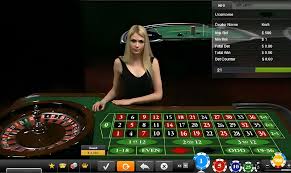
Udenlandske casinoer har ofte et mere varieret udvalg af spil, herunder slots, bordspil, live dealer-spil og meget mere. Dette gør det muligt for spillere at finde præcis det, de leder efter, hvad enten det er klassiske casinospil eller de nyeste videoautomater.
Fleksible Betalingsmetoder
Mange udenlandske online casinoer accepterer en bred vifte af betalingsmetoder, hvilket kan være en stor fordel for spillere. Udover de traditionelle kredit- og betalingskort, er det også muligt at bruge cryptocurrencies, e-wallets og bankoverførsler.
Udfordringer ved Udenlandske Online Casinoer
Licens og Regulering
En af de største udfordringer ved at spille på udenlandske casinoer er spørgsmålet om licens og regulering. Det er vigtigt at sikre sig, at casinoet har en gyldig licens fra en anerkendt myndighed. Manglende licens kan betyde, at spillerne ikke har nogen beskyttelse, hvis der opstår problemer.
Sikkerhed og Beskyttelse af Personlige Data

Når du spiller på udenlandske online casinoer, er det vigtigt at tage hensyn til sikkerhed. Find ud af, hvordan casinoet beskytter dine data, og om de bruger kryptering til at sikre dine transaktioner. Læs altid om anmeldelser fra andre spillere for at få et indtryk af casinoets pålidelighed.
Valuta og Gebyrer
Udenlandske casinoer opererer ofte med forskellige valutaer, hvilket kan have betydning for dine ind- og udbetalinger. Vær opmærksom på eventuelle gebyrer, der kan påløbe ved at skifte valuta eller ved brug af visse betalingsmetoder.
Sådan Vælger Du Et Udenlandsk Online Casino
Når du vælger et udenlandsk online casino, er der flere faktorer, du skal overveje:
- Licens: Tjek, om casinoet har en gyldig licens.
- Spiludvalg: Vælg et casino med et stort udvalg af spil, der passer til dine præferencer.
- Bonusser og Kampagner: Sammenlign de forskellige bonusser og kampagner, der tilbydes af casinoerne.
- Betalingsmetoder: Vælg et casino, der tilbyder betalingsmetoder, du er komfortabel med.
- Brugeranmeldelser: Læs anmeldelser fra andre spillere om deres erfaringer med casinoet.
Afsluttende Tanker
Udenlandske online casinoer tilbyder en verden af muligheder for spillere, men det er vigtigt at være opmærksom på de potentielle risici. Med den rette research og viden kan du finde et casino, der opfylder dine behov og forventninger. Sørg for at spille ansvarligt og sæt altid grænser for dit spil. Held og lykke!