Refine Your Strategy: Mastering the Timeless Appeal of a New Zealand Casino Classic for Lasting Enjoyment.
The allure of the casino is undeniable, a blend of excitement, strategy, and the hope of fortune. For many, a specific type of casino experience stands out – a timeless enjoyment rooted in classic games and a sophisticated atmosphere. This is where the charm of a casino classic shines through, offering a refined alternative to the rapidly evolving landscape of modern gambling. It represents a return to the core elements that made casinos popular in the first place, focusing on games of skill and chance that have captivated players for generations. This article delves into the enduring appeal of this classic casino experience, exploring its key features, strategies for maximizing enjoyment, and its relevance in the contemporary gaming world.
A casino classic isn’t simply about the age of a game; it’s about the established principles and techniques that surround it. It’s about the social element, the anticipation, and the unique thrill of engaging with games considered foundational to the casino experience. It’s a rejection of fleeting trends and a commitment to enduring quality. We’ll explore how to refine your approach to these games, maximizing enjoyment while embracing the tradition of strategic gameplay.
Understanding the Core Elements of a Classic Casino Experience
The defining characteristics of a classic casino experience focus on certain cornerstone games. Blackjack, Roulette, and Baccarat are almost always central, celebrated for their strategic depth and elegant simplicity. Unlike modern video slots, which often rely heavily on luck and elaborate themes, these games offer a more active role for the player, demanding calculated decision-making. The atmosphere, too, plays a crucial part. Classic casinos are often characterized by a more sophisticated and understated aesthetic – think plush carpets, dim lighting, and attentive service. This creates an environment conducive to concentration and enjoying the refined sophistication of the gameplay itself.
Game
Key Skill
House Edge (Approx.)
| Blackjack |
Basic Strategy, Card Counting (advanced) |
0.5% – 1% |
| Roulette (European) |
Bet Selection, Bankroll Management |
2.7% |
| Baccarat |
Pattern Recognition, Bet Management |
1.06% (Banker bet) |
Mastering the Art of Blackjack
Blackjack, or Twenty-One, stands as a cornerstone of the casino classic. The game’s appeal rests in its unique blend of chance and skill, where players aren’t at the mercy of random numbers entirely. The objective is simple – achieving a hand total closer to 21 than the dealer without exceeding it. However, mastering the game requires learning and employing ‘basic strategy’ – a mathematically optimal way to play each hand, dependent on your cards and the dealer’s upcard. More advanced players can even explore card counting techniques, although these are often discouraged, or even prohibited, by casinos. Understanding the nuances of hitting, standing, doubling down, and splitting pairs are essential for anyone with ambitions to improve game play at Blackjack.
Strategic Considerations in Blackjack
Beyond basic strategy, successful Blackjack players employ careful bankroll management. Establishing a budget and sticking to it is crucial to mitigate risk and extend playtime. Understanding the implications of different betting options, like insurance and side bets, is also important; generally, avoiding side bets improves long-term expected value. Furthermore, a keen awareness of the dealer’s tendencies— are they consistently hitting on soft 17 or standing?—can offer a small but noticeable edge. The psychological aspects of the game shouldn’t be ignored either. Maintaining composure and avoiding emotional decisions are essential for executing a calculated strategy.
The Role of Card Counting (Advanced Technique)
Card counting, while often sensationalized in popular culture, is a legitimate, albeit complex, technique for gaining an edge in Blackjack. It involves tracking the ratio of high-value to low-value cards remaining in the deck. A higher ratio of high cards favors the player, increasing the likelihood of blackjacks and doubling opportunities. However, card counting requires significant practice, a meticulous memory, and the ability to remain discreet – casinos are quick to identify and bar players they suspect of counting cards. Moreover, even with successful counting, it only provides a slight advantage, and large bankrolls are needed to withstand the inherent fluctuations of the game.
The Timeless Appeal of Roulette
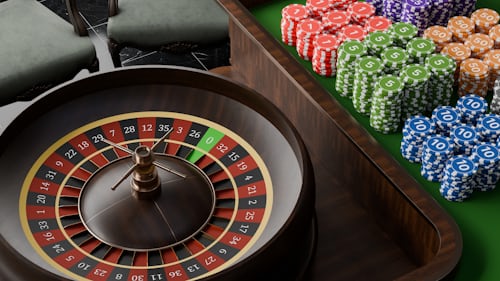
Roulette, with its spinning wheel and iconic betting layout, embodies the spirit of chance. There are two primary variations: European and American Roulette. The crucial difference lies in the presence of a double zero on the American wheel, which increases the house edge significantly. European Roulette, with only a single zero, offers more favorable odds for the player. Understanding the different types of bets – inside bets (specific numbers) and outside bets (red/black, odd/even) – is fundamental. While roulette is primarily a game of luck, smart betting strategies and informed decision-making can enhance the enjoyment and potentially prolong playtime.
- Inside Bets: Higher risk, higher reward. Example: Betting on a single number.
- Outside Bets: Lower risk, lower reward. Example: Betting on red or black.
- Bankroll Management: Crucial for extending playtime.
Baccarat: A Game of Elegance and Simplicity
Often favored by high rollers, Baccarat possesses an air of exclusivity, partially due to its association with James Bond. However, the game’s rules are surprisingly simple. The objective is to bet on which hand – the Player or the Banker – will have a total closest to nine. Cards are dealt according to a set of rules, and the winning hand is determined automatically. Despite its sophisticated reputation, Baccarat requires minimal strategic input; the house determines the optimal play in most situations. The Banker bet typically offers a slightly lower house edge, but a commission is usually charged on winning Banker bets, influencing optimal strategy calculations.
Understanding the Payouts and Bets
In Baccarat, the payout for a winning Player or Banker bet is 1:1. However, a 5% commission is typically deducted from winning Banker bets. A third bet, the Tie bet, offers a substantially higher payout (typically 8:1 or 9:1) but has a significantly higher house edge, generally making it an unfavorable option. Furthermore, a key concept in Baccarat is understanding the natural win. If either the Player or the Banker are dealt a hand totaling eight or nine, it’s considered a natural win, and the hand is immediately declared the winner. This early resolution can significantly affect the dynamics of the game.
- Player Bet: Bet on the Player hand winning.
- Banker Bet: Bet on the Banker hand winning (commission applies).
- Tie Bet: Bet on the Player and Banker hands having the same total (high risk, high payout).
Maximizing Your Enjoyment and Employing Responsible Gaming
The appeal of a casino classic isn’t solely about winning; it’s about immersing yourself in a timeless tradition of skill, chance, and sophistication. To truly appreciate the experience, focus on mastering the fundamentals of the games, employing sound bankroll management strategies, and maintaining a responsible approach to gambling. Remember that losses are an inherent part of the experience. Setting a budget, respecting your limits, and treating it as a form of entertainment rather than a guaranteed income stream will ensure a fulfilling and enjoyable casino encounter. Furthermore, understanding the rules and etiquette of the casino itself adds another layer of appreciation and confidence.
Ultimately, the enduring appeal of a classic casino experience lies in its combination of strategy, social interaction, and the thrill of the game. By approaching these games with knowledge, discipline, and a healthy dose of realism, you can create lasting memories and savor the unique charm that defines a truly classic casino encounter.